
One of West Africa's most attractive destinations for investment.
Côte d'Ivoire combines scale, stability and connectivity. Here is the market picture behind every mandate we support.
Population
Approximately 33.5 million people (2026), with a young median age of around 18.5 years and a growth rate of about 2.4%. Abidjan alone is home to over 6 million residents. This young, growing population creates strong domestic demand and a dynamic labour force.
Banking System
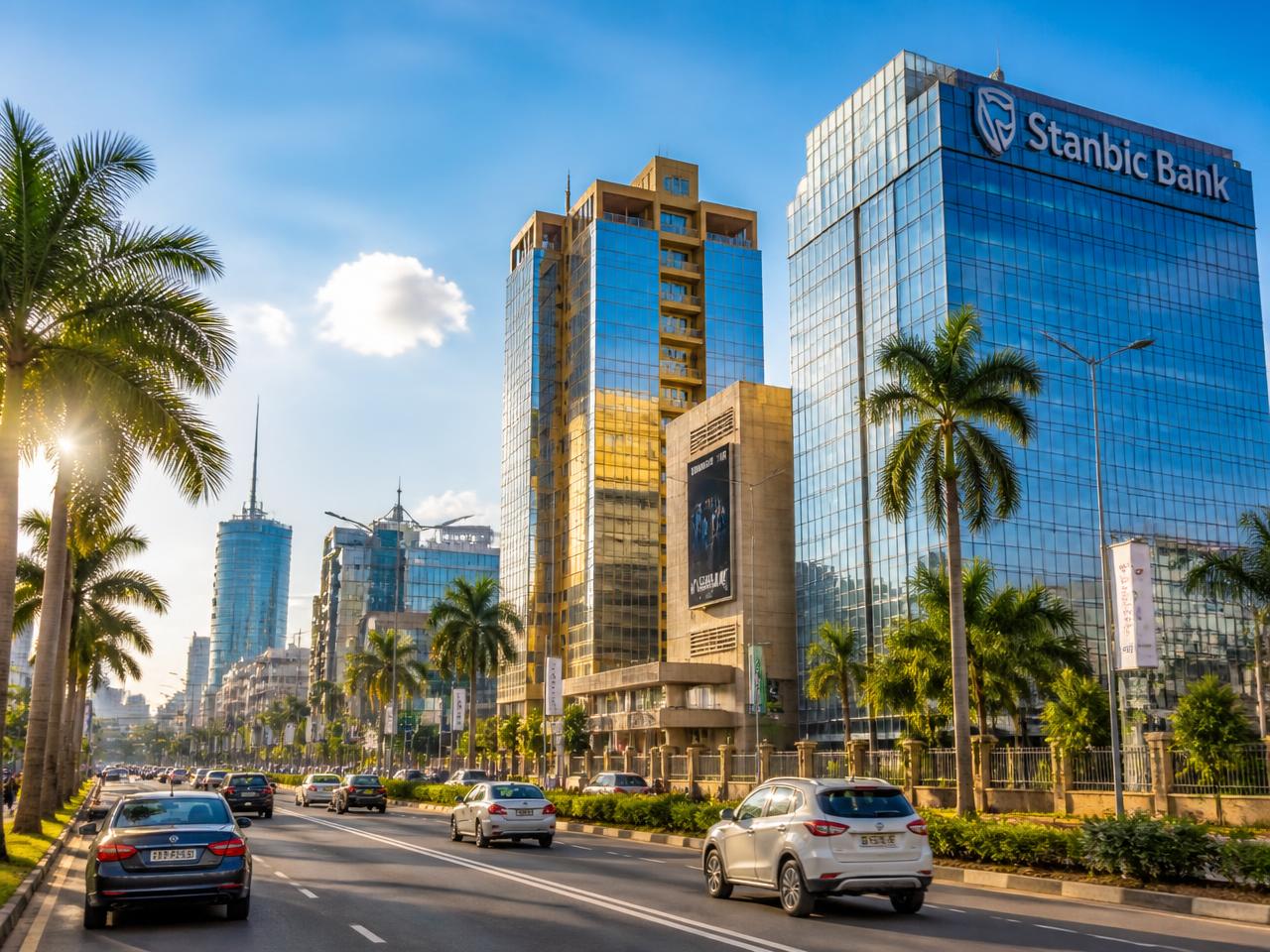
Côte d'Ivoire hosts one of the strongest banking sectors in the UEMOA region. It concentrates a large share of the region's major banks, including Société Générale, NSIA, BNI and Ecobank. The sector is regulated by the BCEAO, with growing financial inclusion, expanding digital banking, and a strong presence of both regional and international institutions.

Flight Connectivity
Félix Houphouët-Boigny International Airport (ABJ) in Abidjan is Côte d'Ivoire's main international gateway and a growing regional hub for West Africa, with direct flights to approximately 33 destinations across Africa, Europe, the Middle East and North America, served by more than 20 international and regional airlines including Air Côte d'Ivoire, Air France, Ethiopian Airlines, Brussels Airlines, Emirates, Qatar Airways, Turkish Airlines, Royal Air Maroc and Kenya Airways.
Europe
Multiple daily flights to Paris (Charles de Gaulle and Orly); Brussels.
Middle East
Dubai, Doha, Istanbul, Beirut.
Africa
Accra, Lagos, Abuja, Dakar, Ouagadougou, Bamako, Lomé, Cotonou, Conakry, Douala, Libreville, Addis Ababa, Nairobi, Casablanca and more.
North America & Domestic
Direct service to New York (JFK). Regular domestic connections to Bouaké, Korhogo, San Pedro, Man and Odienné.
Sea Ports
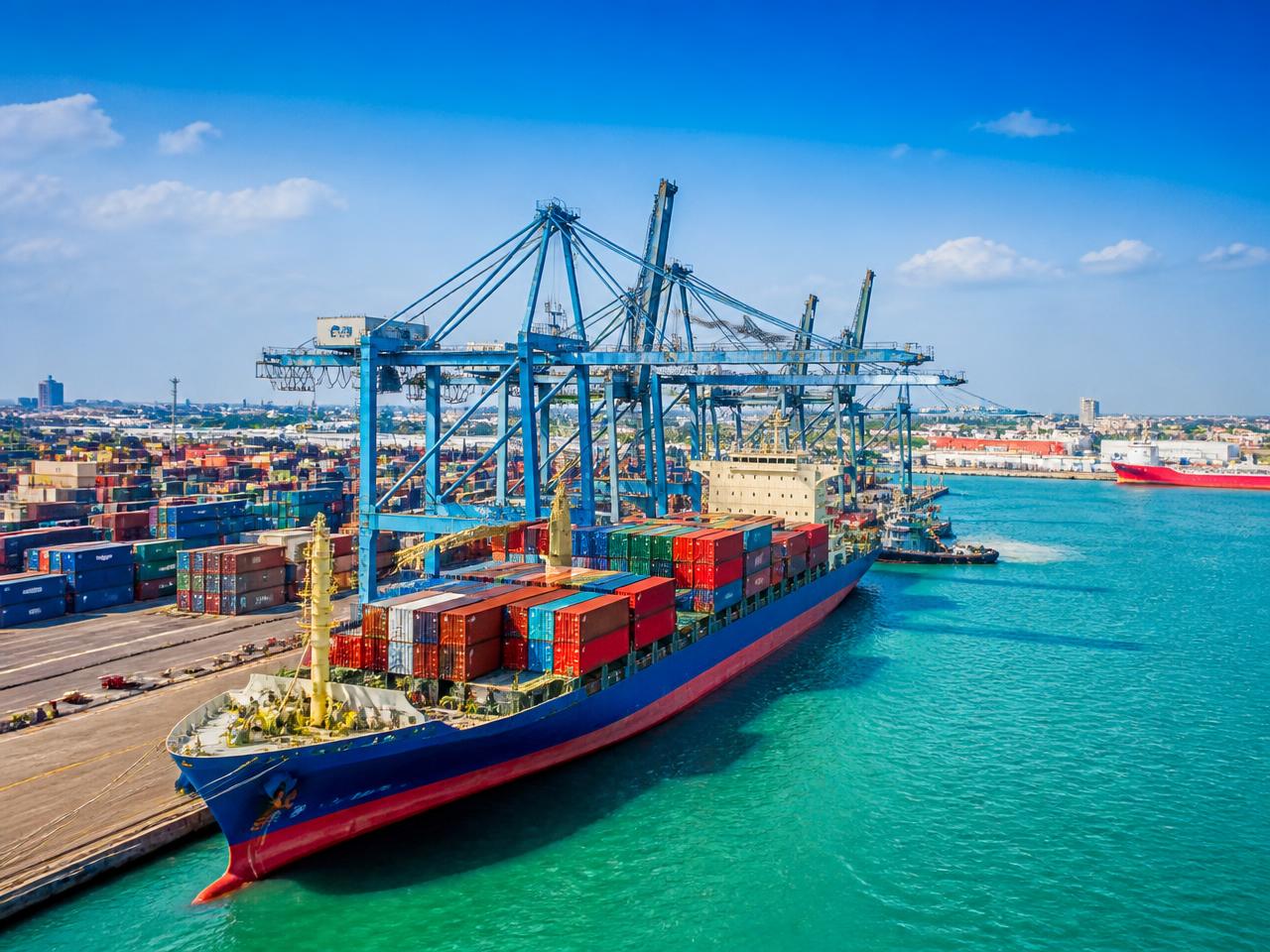
Two strategic deep-water ports anchor the country's trade: the Port of Abidjan, the largest in West Africa by cargo volume, and the Port of San Pedro, a major bulk and cocoa export hub with ongoing expansion.
Main Trade
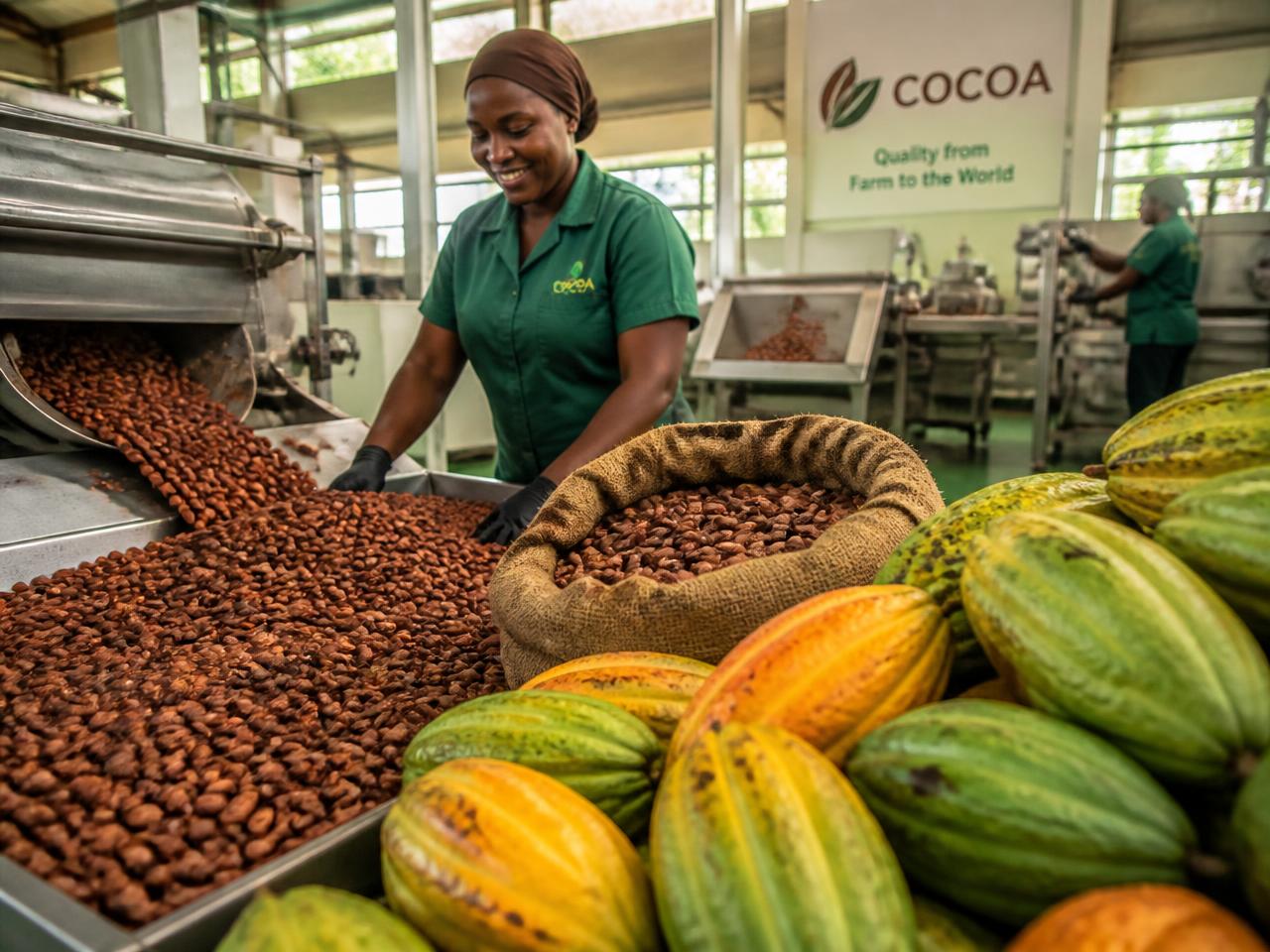
Cocoa, gold, natural rubber, cashew nuts, crude oil and petroleum products, cotton, and tropical fruits.
Machinery, vehicles, petroleum products, intermediate goods, food products, and consumer goods.
Key Opportunities
Agro-industry & processing
Mining & hydrocarbons
Infrastructure & construction
Digital economy & fintech
Logistics
Renewable energy
Industrial zones
Real estate
21 Strategic Priority Areas
The national and municipal development agenda of Côte d'Ivoire is structured around 21 priority areas. Each one opens a defined space for partnership, investment and delivery.